
# Best Flooring for Long Island Pet Owners
Between my own two labs and the 400+ pet-owner jobs I've done across Nassau and Suffolk, I have strong opinions here. There's a right answer for dogs, and it's not the same as the right answer for cats. And both answers have shifted in the last five years because LVP technology changed everything.
This is what I actually recommend to pet owners walking into our Melville showroom in 2026.
## The one-line answer
Dogs: Premium LVP with a 20-mil wear layer, attached pad, and waterproof core. Best balance of scratch resistance, accident tolerance, and comfort for their joints.
Cats: Engineered hardwood or mid-grade LVP both work. Cats don't scratch floors much; you're optimizing for hairball cleanup.
Multiple large dogs + senior pets: Porcelain tile with radiant heat, or premium LVP. Nothing else will hold up long-term.
Now the details.
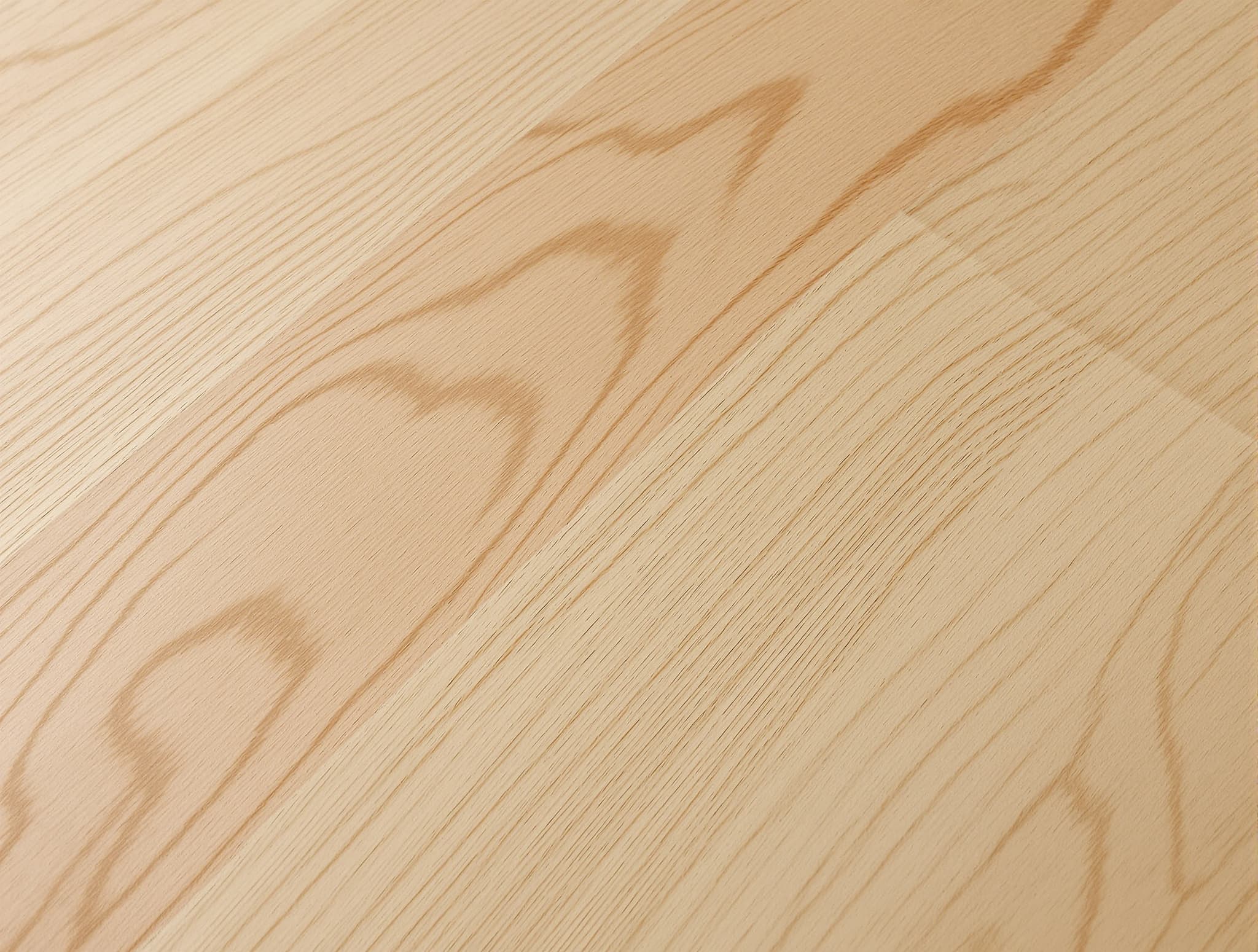
## Why I don't recommend hardwood for dogs anymore
I've installed hardwood for 25 years and I love it. I also stopped recommending it to dog owners around 2018.
Three things change the calculus:
- Nails scratch hardwood, full stop. Even the hardest domestic species (hickory at 1,820 Janka) shows dog nail marks within 18 months. Softer species (red oak at 1,290, walnut at 1,010) show them in weeks.
- Accidents blacken hardwood. Urine sits on the finish, seeps into the joint, hits the raw wood underneath, and causes permanent black staining. By the time you smell it, the damage is done.
- Water bowls eat finish. Day after day of splashes wears through polyurethane faster than anything else in the house. I've replaced "like-new" hardwood under water bowls after 6 years.
Could you put hardwood in and just not care about the wear? Sure. Some homeowners do. But then you're spending hardwood money on a floor you plan to treat like a sacrifice zone. That math doesn't work for most people.
## Why premium LVP wins for dog homes
Premium LVP (I'll call out 20-mil wear layer specifically) solves every dog issue:
- Scratch resistance: 20-mil wear layers are rated for commercial use. My own lab skids across our showroom LVP chasing a ball. Zero marks.
- Waterproof: Accidents, drool, water bowl splashes — all irrelevant. Mop it up, done.
- Warm and quiet: With attached acoustic pad, LVP is noticeably quieter than hardwood or tile when dogs are running.
- Easier on joints: Senior dogs with arthritis do better on LVP than tile. It has some give, and it's not cold.
Brand/line recommendations we actually install:
- COREtec Pro Plus — 20-mil wear layer, stone-polymer core, matte texture that hides claw marks
- Shaw Floorté Plus — similar specs, slightly wider color palette
- Mohawk RevWood — the one LVP-alternative I trust (laminate with waterproof core); slightly warmer look than LVP, same durability
Avoid: anything marketed as "budget LVP," "builder grade," or with a wear layer under 12-mil. The core may be waterproof, but the wear layer will scratch and scuff within a year of heavy dog use.
## Tile: the "I give up" option (and it's fine)
If you have 3+ large dogs, a senior dog with incontinence, or you just don't want to think about the floor ever again — porcelain tile is the forever answer. It's bulletproof.
The downside everyone cites is "it's cold and hard." Both true. Solutions:
- Radiant heat under the tile. Adds $5–8/sq ft but transforms the space.
- Large area rugs with thick pads in the main dog zones.
- Textured tile (not polished) so older pets don't slip.
Wood-look porcelain plank has gotten extraordinarily convincing in the last 5 years. We've installed 24" porcelain planks that people walking through the house thought were engineered oak.
## What about cats?
Cats are easier. They don't scratch floors (they scratch furniture — different problem). They don't have accidents on well-kept floors. They do shed constantly, and they produce hairballs.
Any flooring works for cats. The cleanup question is what matters:
- Hardwood: Hair shows up as drifts against the baseboards. Easy to dust-mop.
- LVP: Same — hair drifts, easy cleanup.
- Tile: Grout lines trap hair. Epoxy grout or tight joints help.
- Carpet: Don't. Hairball stains on carpet are permanent.
If you have cats only, pick the flooring you'd pick if you didn't have pets. Just skip carpet.
## Long Island-specific notes
- Salt and ice melt on North Shore and Hamptons homes in winter is brutal on any floor. LVP handles it. Hardwood finish wears through fast in mudroom-adjacent areas.
- Humid summers are neutral for LVP, mild stress for hardwood. Not a big factor.
- Hardwater stains around water bowls are more visible on dark hardwood than on any LVP. Another point for LVP.
## What I'd put in my own house (and did)
My two labs live on 7" wide-plank COREtec LVP in a matte "Monterey Oak" finish. Six years in, no visible wear, handles everything. Area rugs in the sitting rooms, tile in the mudroom, engineered hardwood in the primary bedroom where the dogs aren't allowed.
That's the template. Match the floor to the activity zone. Accept that the dog zones will get the synthetic product. The living room can still be hardwood if you want — just put a rug down.
## Free advice, in person
If you're staring at a floor covered in nail marks and stains, call us. We'll come look, tell you honestly whether it can be refinished or needs replacement, and write a real quote. Most pet-damaged floors can't be saved — but about a quarter of them can, and that saves you thousands.